A Practical Review of the 'Nurse Life' T-Shirt Design
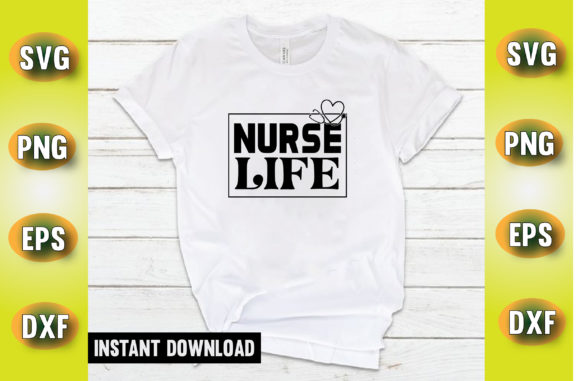
When a digital embroidery design lands on my desktop, I don't just look at the preview image. I think about how it will live in the real world—as stitches on fabric, as a product in someone's hands, as a gift that conveys a message. The 'Nurse Life' T-Shirt Design is one of those files that immediately sparks a project plan. Let's walk through what makes this design a strong candidate for your next embroidery project from a practical, hands-on perspective.
The Immediate Mood: Recognition and Quiet Pride
The first impression of this design is clear: it’s a statement of identity, not just a decorative graphic. The theme speaks directly to the nursing profession, creating a mood of quiet pride and recognition. As a designer, I appreciate layouts that have a sense of balance and personality. This design feels like it belongs on something worn or used, a personal emblem. Its visual personality isn't overly loud or cartoonish; it carries a professional yet approachable tone. This makes it naturally belong to projects meant for nurses themselves, or for gifts from grateful patients and families.
Where This Design Thrives in Real Projects
Imagine you’re preparing a custom embroidered sweatshirt for a nurse friend graduating from her program. This design would be a perfect, meaningful centerpiece. But its application goes far beyond a simple t-shirt.
On denser fabrics like tote bags or apron fronts, the design would stitch out with excellent clarity, becoming a durable, everyday accessory. For a more delicate touch, consider a beautifully embroidered pillow cover or a kitchen towel as a heartfelt gift. In a small business context, an Etsy seller or boutique owner could easily incorporate this into a line of 'hero appreciation' merchandise. The design also lends itself well to creating patches, which can then be applied to caps, backpacks, or even nursery decor for a nurse's new baby.
Its appeal in printable mockups for digital product sellers is straightforward—it clearly communicates the final product's intent. For commercial embroidery projects, like a hospital’s gift shop items or a uniform company’s branded apparel, the design offers recognizable, profession-specific content.
Navigating the Practical Stitching Considerations
No design is universally perfect for every surface. The key is knowing where to apply it carefully to ensure a flawless finished product.
If the design contains very tiny lettering or intricate corners, these areas will require attention on textured fabrics like some sweatshirt materials. On thin or stretchy fabrics, such as certain t-shirt knits, a robust stabilizer strategy is non-negotiable to prevent puckering or distortion. For dark fabric backgrounds, thread color contrast is paramount; you’ll need to choose colors that pop without compromising the design’s tone.
Layered garments, like polo shirts with plackets, or curved surfaces like caps, demand extra testing to ensure the design’s layout adapts well to the shape. Also, consider the product's lifecycle. Items like baby clothes or items needing frequent washing benefit from a simpler stitch density to ensure longevity. It’s wise to review the provided files for dense stitch areas that might be too heavy for lightweight fabrics.
Turning a Digital File into a Trusted Product
How does this embroidery file affect the final product's value? When stitched cleanly on a quality garment, it elevates a simple item into a personalized gift or professional-looking small shop product. That stitching clarity directly builds customer trust—it shows care and skill. For a creative entrepreneur, using such a recognizable design consistently across a product line (like tote bags, caps, and aprons) can enhance brand consistency within a niche. The 'giftability' here is high; it’s a design that feels thoughtful and specific.
Essential Designer Notes Before You Hoop Anything
My standard process before committing to a final project always includes these steps, and I recommend them for the 'Nurse Life' design.
- Test on Scrap Fabric First: Use the same material you intend for the final project. This reveals how the design interacts with the fabric texture and shows the true stitch density.
- Check Thread Color Contrast: Run mental or digital mockups in both light and dark fabric backgrounds. Does the proposed color palette maintain the design's integrity on both?
- Confirm Your Hoop Size: While the download includes multiple file formats like SVG and DXF, you must match the design's dimensions to a compatible hoop size for your machine. Don't assume.
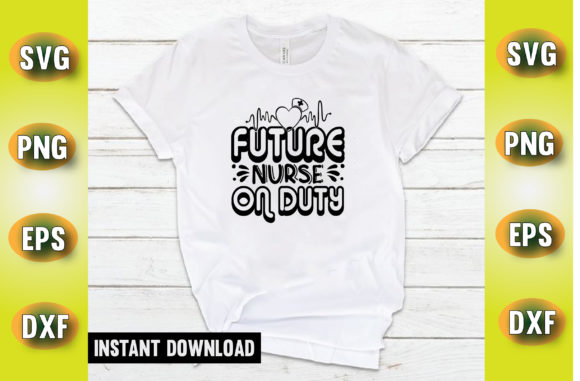
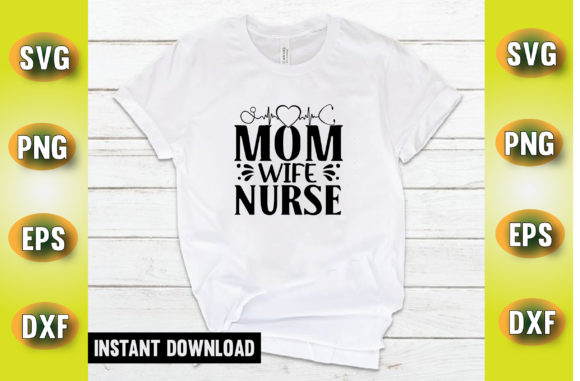
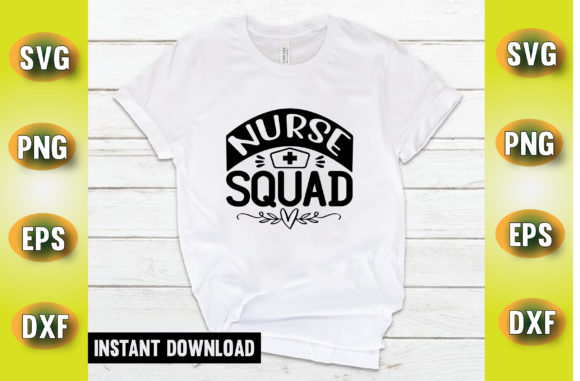
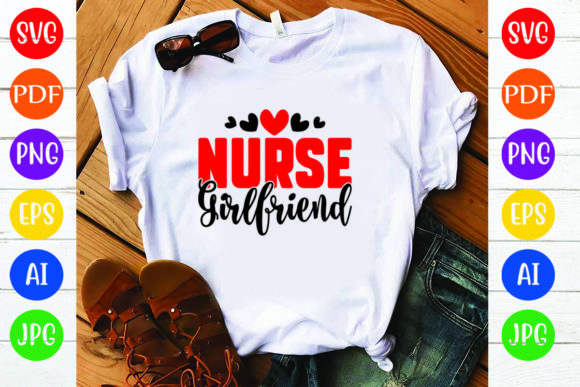
- Inspect the Small Details: Look closely at any lettering or fine lines in the provided PNG preview. Are they clear and separate? This will dictate your choice of stabilizer and possibly needle type.
- Understand the License: The product description states it includes digital files. It is crucial to confirm the licensing terms before selling any finished items or using the design in commercial embroidery projects. This protects your craft business.
- Plan for Presentation: For handmade products, how will you present this embroidered item? A simple baby onesie with this design becomes a standout gift. A well-made tote bag becomes useful boutique branding.
Remember, these included formats—SVG, PNG, DXF, EPS—are versatile for both machine embroidery and potential graphic use, but your primary focus should be on the embroidery file format your machine reads. Ensure you have software to unzip the files and to translate them appropriately for your equipment.
The Final Stitch: A Design with Clear Purpose
Evaluating the 'Nurse Life' T-Shirt Design from a project-ready viewpoint confirms its utility. It’s a graphics asset with a strong, clear purpose. It doesn’t try to be everything; it succeeds at being a recognizable, profession-specific emblem. For embroidery designers and makers, this translates into a design that can reliably produce finished products with high visual appeal and emotional resonance. Whether you're creating a custom apparel gift, adding to your Etsy listings, or building out a line of craft fair products, this design provides a solid, applicable foundation. Your job, as the skilled maker, is to pair it with the right fabric, the thoughtful execution, and the clear commercial understanding to make it truly shine in the real world.