A Nurse's St. Patrick's Day: A Designer's Take on This Leprechaun Design
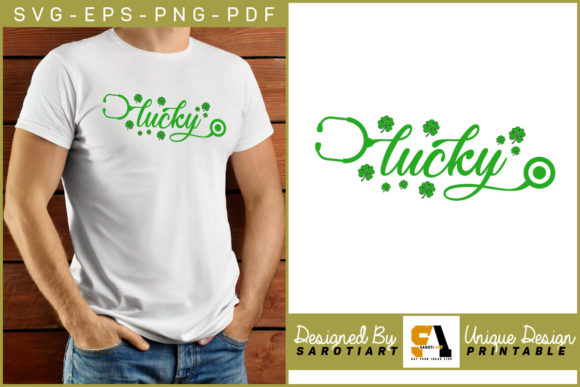
Every embroidery file tells a story before you even load it onto the machine. When I first saw the Lucky with Nurse Stethoscope Design, its story was immediately clear. It’s a charming, thematic blend of profession and holiday—a leprechaun nurse holding a stethoscope. As a designer who reviews files for real project use, my first thought wasn't about its aesthetics alone, but about its practical character. What mood does it create on a finished product? Where would it feel most at home?
The First Impression: Whimsy Meets Professional Pride
The design has a friendly, cartoonish personality. The leprechaun’s cheerful expression and the classic nurse’s cap paired with the stethoscope create a lighthearted, celebratory vibe centered around nursing. This isn’t a generic St. Patrick’s Day graphic; it’s a niche-specific celebration. The layout feels balanced, with enough detail to be recognizable but not so dense that it would become a stitching challenge on smaller items. Its visual personality leans toward giftable, personalized items rather than bold, statement apparel. It naturally belongs to projects meant to honor a nurse during the holiday, or to add a touch of profession-themed festivity.
Where This Design Shines in Real Projects
Imagine you’re preparing a custom embroidered sweatshirt for a nurse friend as a St. Patrick’s Day gift. This design would be a perfect, thoughtful fit. But its applications go wider. In my evaluation for craft business use, I consider several real-life scenarios.
- Apparel & Accessories: It would work beautifully on the chest of a polo shirt, a tote bag for a nursing student, or a cozy cap. The theme makes it ideal for personalized gifts.
- Home & Decor: Stitched onto a pillow cover for a nurse’s dorm room or a kitchen towel in a healthcare worker’s home, it adds a playful, personal touch.
- Small Shop Merchandise: For Etsy sellers or boutique owners, this design could anchor a limited holiday collection—think embroidered patches for scrubs or custom baby onesies for a nurse’s newborn.
- Digital Product Integration: As a digital embroidery file, it’s a solid asset for apparel decorators offering holiday-themed professional wear. It lends itself well to printable mockups for online stores, showing customers a clear, appealing preview.
The key is matching the design’s whimsical yet professional tone to the right product. On a heavyweight sweatshirt or a structured tote bag, the stitches would lay nicely, and the design would feel substantial. It adds visual appeal through its specific concept, which in turn can enhance the product value and giftability in a craft business context.
Caution Areas: Stitching for Clarity and Durability
No design is universally perfect for every surface. Here’s my practical judgment on where to use this one carefully.
- Scale & Detail: On very small hoop sizes, the finer details—like the stethoscope earpieces or the leprechaun’s facial features—could lose clarity. Test it on scrap fabric first at your intended size.
- Fabric Choice: Avoid stitching it directly onto very thin or stretchy fabric without excellent stabilizer. The design likely has areas of stitch density that could distort lightweight materials. For dark fabric backgrounds, a thorough review of your thread color contrast is essential—some lighter elements might need adjustment to pop.
- Complex Surfaces: Curved surfaces like caps require careful planning. The rounded shape might interact with the design’s layout; hooping and stabilization are paramount.
- Washability: For products like baby clothes or kitchen towels that need frequent washing, ensure you’re using high-quality thread and appropriate techniques to maintain the design’s integrity over time.
These considerations directly affect customer trust and the handmade presentation of your finished product. A blurred detail on a cap or a puckered design on a t-shirt can undermine the professionalism of your work.
How This Design Impacts Your Craft Business
Beyond the stitch itself, using a design like this influences your business perception. It shows a level of thoughtfulness—you’re offering a specific, not generic, holiday option. For a nurse or someone buying for a nurse, this recognition factor is high. It can improve buyer engagement in your Etsy listings or craft fair booth because it speaks directly to a community. It aids brand consistency if your shop specializes in healthcare-themed or personalized holiday items.
However, it’s crucial to remember this is a Graphics product in the Crafts category. The product description mentions it’s for St. Patrick’s Day and is a "T-Shirt Design." As a professional, I must advise: Always check the specific details before commercial use. Confirm the actual embroidery file formats included, the licensing terms for selling finished items, and any recommended hoop size ranges. These are not provided in the brief description, so verifying them is a non-negotiable step for any commercial embroidery project or digital product resale.
Practical Notes Before You Hoop the Fabric
- Test First: Run the design on a scrap of your target fabric type. Check for any jump stitches or areas of excessive density.
- Color Contrast: Review your thread palette. Test the design in both black and white digital mockups to foresee how it will look on light and dark backgrounds.
- Stabilizer is Key: Match your stabilizer to the fabric and the design’s potential stitch load.
- Detail Inspection: Zoom in on the digital file. Are there tiny elements that might need simplification for your machine or project?
- License Clarification: Understand clearly if the design is authorized for personal use, commercial finished products, or as a digital design asset for resale. This protects your business.
The Lucky with Nurse Stethoscope Design is a charming thematic piece. Its value lies in its specific appeal. For the right project—a gift for a nurse, a holiday-themed boutique product, a personalized patch—it can stitch up beautifully and create a memorable finished product. Approach it with a practical eye: test it, know its limits, and confirm its commercial permissions. Then, it can become not just a fun embroidery file, but a reliable part of your creative or business toolkit.